
What Is the Introduction?
The introduction highlights the income potential of blogging, Etsy, and Pinterest as we approach 2026, emphasizing the importance of aligning platforms with individual skills and interests.
In the dynamic landscape of online income opportunities, platforms like blogging, Etsy, and Pinterest have been significant players. As 2026 looms, many wonder which of these will lead in income potential. Each platform offers unique advantages, but they also come with distinct challenges. Understanding which might be the best fit for your skills and interests is important, whether you’re just starting out or seeking to expand your income streams. This article will explore deeper into each platform, providing real-world examples and insights into how they may evolve by 2026.
As someone who’s navigated the digital landscape for years, I’ve seen firsthand how these platforms can transform side hustles into full-fledged businesses. Whether you’re a blogger looking to monetize your passion, a crafter eager to showcase your handmade goods on Etsy, or a marketer ready to use Pinterest’s visual appeal, each platform offers distinct pathways to success. The key is understanding where your strengths lie and how you can best use these platforms to reach your audience.

Is Blogging a Timeless Classic?
Blogging remains a viable income option in 2026, requiring consistent effort and strategic monetization.
Blogging has long been a favored method for generating income online. It’s a platform where creativity meets strategy, offering scope for diverse monetization methods. In 2026, blogging remains a viable option, but achieving success requires consistent effort and dedication. It’s not just about writing; it’s about understanding SEO, affiliate marketing, and audience engagement. When I first started blogging, I underestimated the technical skills involved. But once mastered, the potential is evident.
Monetization through blogging can be achieved via affiliate links, sponsored posts, and digital products. For instance, a well-maintained blog about healthy recipes can attract partnerships with health brands or sell e-books. The income potential is significant, but it demands a considerable investment of time and consistent effort to build a loyal audience. You need to build a loyal audience, which doesn’t happen overnight. The learning curve is steep, but the rewards can be significant.
Real-world examples of successful bloggers include Pat Flynn of Smart Passive Income, who has turned his blog into a multi-million dollar business by diversifying his income streams through podcasting, e-books, and online courses. Similarly, Michelle Schroeder-Gardner of Making Sense of Cents earns over $100,000 a month primarily through affiliate marketing, providing a testament to the lucrative potential of blogging when approached strategically.
How Important is SEO in Blogging?
SEO is important for blogging success, as it enhances visibility and attracts targeted traffic.
Search Engine Optimization (SEO) is the backbone of a successful blog. Understanding and implementing SEO techniques can catapult a blog from obscurity to the forefront of search engine results. This involves keyword research, quality content creation, and backlink strategies. Tools like Google Analytics and SEMrush can aid bloggers in refining their approach. For instance, a travel blogger might use SEO to target niche keywords like “eco-friendly travel destinations” to capture a specific audience. By 2026, SEO will continue to evolve, with voice search optimization and AI-driven content playing larger roles in blog visibility.
When I first started blogging, I quickly realized that success wasn’t just about churning out content. It was about crafting posts that resonated with readers and aligned with their search intent. Tools like Canva have been invaluable for creating eye-catching graphics that enhance my posts and keep readers engaged. And let’s not forget about SEO—using platforms like Yoast SEO can make a world of difference in how your content ranks. Blogging is indeed a classic, but it’s one that requires a modern approach to thrive.

Why is Etsy a Haven for Craft Entrepreneurs?
Etsy is ideal for craft entrepreneurs due to its focus on handmade and vintage items, offering a niche market.
For those with a knack for crafting, Etsy remains a go-to platform. It’s a marketplace thriving on creativity and unique products. As we approach 2026, Etsy’s appeal lies in its niche audience preference for handmade and vintage items. However, setting up a successful shop is more than just listing products. It demands smart marketing and a keen eye for design.
A friend of mine transitioned her passion for knitting into a lucrative Etsy business. She initially struggled with pricing her items competitively and the platform’s fees. But once she hit her stride, the orders flowed in. It’s a platform where your products need to stand out. High-quality images, compelling product descriptions, and excellent customer service are important. While there’s potential for good income, the competition is fierce, and maintaining visibility is a constant challenge.
Successful Etsy sellers often diversify their offerings and maintain an active presence on social media to drive traffic to their shops. Take the example of Three Bird Nest, a shop that started with handmade headbands and expanded into a full boutique with millions in sales. Owner Alicia Shaffer leveraged Instagram and Facebook to build a community around her brand, illustrating the importance of a cohesive marketing strategy.
How Can Sellers Navigate Etsy’s Competitive Landscape?
Sellers can thrive on Etsy by staying updated with trends and using tools for keyword optimization and pricing strategies.
To thrive on Etsy, sellers must continuously innovate and adapt to trends. Staying updated with Etsy’s algorithm changes and utilizing tools like EtsyRank or Marmalead can offer insights into keyword optimization and competitive pricing strategies. For example, a pottery seller might use these tools to identify trending styles or colors, allowing them to tailor their products to current market demands. As Etsy continues to evolve, sellers who embrace these tools and strategies will likely find greater success by 2026.
One of the best things about Etsy is its supportive community of sellers and buyers who appreciate the value of handmade items. If you’re just starting, consider investing in a Cricut machine, which can range from $200 to $400, to create intricate designs and personalized products that stand out. Remember, Etsy charges a $0.20 listing fee per item, plus a 6.5% transaction fee, so factor these costs into your pricing strategy. A friend of mine found success by focusing on a niche—custom pet portraits—and saw her shop’s traffic triple after optimizing her listings with SEO-friendly titles and tags.
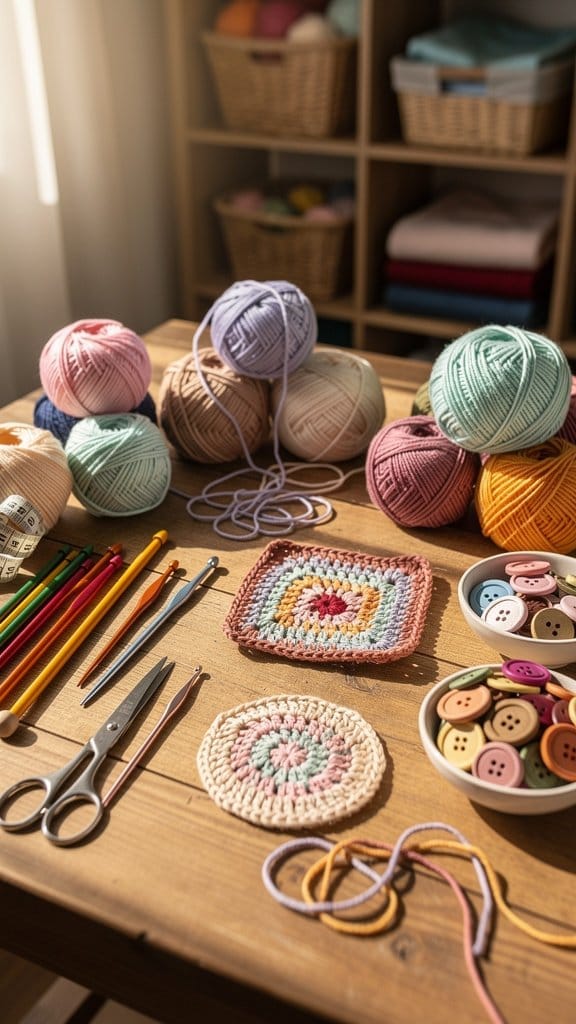
What Makes Pinterest a Visual Marketing Powerhouse?
Pinterest excels as a traffic driver, enhancing visibility for blogs and Etsy shops through strategic visual content.
Pinterest is a unique player, functioning more as a traffic driver than a direct income source. Yet, its power lies in its ability to amplify other platforms. By 2026, Pinterest’s influence on driving traffic to blogs and Etsy shops is undeniable. For many, Pinterest acts as a visual search engine, making it perfect for niches like fashion, home decor, and food.
When I started using Pinterest to promote my blog, the spike in traffic was surprising. It reinforced the idea that Pinterest is about strategy. Creating eye-catching pins, understanding keywords, and consistent pinning can significantly increase visibility. While you can’t earn directly from Pinterest, its ability to boost your other income streams is invaluable.
Pinterest’s value is evident in examples like Jenna Kutcher, who has effectively used the platform to drive traffic to her blog and podcast, ultimately growing her audience and revenue streams. The key lies in creating visually appealing content that resonates with Pinterest’s audience, such as infographics and high-quality images that link back to monetized content.
How Can You Maximize Pinterest’s Traffic Potential?
Maximizing Pinterest’s potential involves understanding its demographic and aligning content with popular searches.
Effective use of Pinterest requires understanding its demographic, predominantly women aged 25-54, and tailoring content accordingly. By leveraging Pinterest’s Trends tool, users can align their content with popular searches, ensuring relevance and increased visibility. For instance, a food blogger could create seasonal recipe boards to capitalize on holiday or event-driven searches. As Pinterest integrates more AI features, like personalized search results, users who adapt to these changes will likely see continued success in using the platform to drive traffic to their primary income sources.
Pinterest is like a visual playground for marketers and creators. It’s not just about pinning pretty pictures; it’s about creating content that inspires action. I once experimented with different pin sizes and found that vertical pins, especially those around 1000×1500 pixels, performed best in terms of engagement. Pinterest’s analytics tools are a goldmine for understanding what resonates with your audience, so make sure to dive into those insights regularly. By consistently updating your pins and aligning them with trending topics, you can significantly boost your visibility and drive traffic to your blog or Etsy shop.

What Are the Effort and Learning Curves Across Platforms?
Each platform requires unique skills and commitment, with blogging needing technical and marketing skills, Etsy demanding creativity, and Pinterest focusing on visual content.
Each platform requires a different level of commitment and expertise. Blogging needs a mix of writing skills, technical know-how, and marketing prowess. It’s a marathon, not a sprint. Etsy demands creative skills, business acumen, and customer service excellence. It’s about standing out in a saturated market. Pinterest requires an understanding of visual content and SEO, acting as a complement to other income streams.
Honestly, I still struggle with balancing these efforts. Each platform can be a full-time job on its own. It’s essential to assess your strengths and bandwidth before diving in. Test the waters with one or two platforms that align with your skills and gradually expand. For instance, someone with a knack for content creation might start with blogging and Pinterest, while a craft enthusiast might find Etsy more aligned with their skills.
How Can You Balance Multiple Platforms?
Balancing multiple platforms requires strategic time management and possibly outsourcing tasks to focus on core strengths.
Successfully managing multiple platforms requires strategic time management and prioritization. Tools like Trello or Asana can help organize tasks and deadlines, ensuring consistent content production and engagement across platforms. Additionally, outsourcing tasks such as graphic design or SEO can mitigate overwhelm and allow focus on core strengths. By setting achievable goals and regularly evaluating progress, individuals can effectively balance the demands of multiple platforms, enhancing their overall income potential by 2026.
If you’re diving into blogging, platforms like WordPress offer a strong foundation, but they come with a learning curve. Expect to spend time mastering plugins and themes, which can range from free to $100 for premium options. On Etsy, the challenge lies in product photography and description writing—skills that can make or break your sales. Meanwhile, Pinterest requires a knack for design and an understanding of what makes a pin go viral. Each platform has its own set of challenges, but with dedication and the right tools, you can master them.
What Are Realistic Monetization Insights?
Monetization requires strategic planning, with bloggers diversifying income, Etsy sellers focusing on product quality, and Pinterest users driving traffic to monetized content.
Generating income from these platforms isn’t a get-rich-quick scheme. It’s about building a sustainable business. For bloggers, diversifying income through ads, affiliates, and products is key. Etsy sellers must focus on product quality and customer loyalty. Pinterest users should aim to funnel traffic to monetized content.
- Bloggers might find success by offering premium content or courses once they’ve established credibility. For example, a travel blogger could offer a paid course on “Travel Photography for Beginners,” leveraging their expertise to generate additional income.
- Etsy sellers could explore wholesale opportunities to scale their business. Partnering with retail stores or boutiques can increase volume sales and brand recognition.
It’s important to have realistic expectations. Profits take time, and the effort input is significant. But with persistence, these platforms can provide a steady income stream. According to a report by eMarketer, the global e-commerce market is set to grow to $6.4 trillion by 2024, indicating a vast potential for online entrepreneurs who strategically position themselves within these platforms.
For bloggers, diversifying income streams is important. Affiliate marketing is a favorite of mine because it allows you to earn by recommending products you genuinely love. Platforms like Amazon Associates make it easy to get started. Etsy sellers should focus on building a brand that customers trust, which can lead to repeat business and word-of-mouth referrals. For Pinterest users, the goal is to drive traffic to monetized content, whether that’s a blog post with affiliate links or an Etsy shop. Remember, consistency and quality are your best allies in turning these platforms into profitable ventures.
Who Will Lead in 2026?
The leading platform in 2026 depends on individual goals, with blogging offering diverse income, Etsy catering to creatives, and Pinterest enhancing reach.
By 2026, the leader in income potential among blogging, Etsy, and Pinterest will depend on individual circumstances and goals. Blogging offers diverse income avenues but requires significant upfront effort. Etsy caters to creatives but demands constant innovation and marketing. Pinterest excels in supporting and enhancing the reach of other platforms.
Personally, I found a hybrid approach most effective. Using Pinterest to drive traffic to my blog and Etsy shop created a synergy that maximized my efforts. It’s a strategy that leverages the strengths of each platform, allowing for growth and scalability. With digital marketing trends continuously evolving, the ability to adapt and integrate multiple platforms will be important for sustained success.
What is the Future of Digital Income Streams?
The future involves embracing AI and machine learning to enhance strategies and income potential across platforms.
As digital landscapes evolve, the integration of AI and machine learning will offer new opportunities and challenges for online income platforms. For instance, AI-driven content creation tools can simplify blogging, while machine learning algorithms could personalize shopping experiences on Etsy. By 2026, those who embrace technological advancements and continuously adapt their strategies will likely lead the pack in income potential across these platforms.
Predicting the leading platform in 2026 is like forecasting the weather—it’s all about trends and individual circumstances. Blogging offers a broad canvas for those who love to write and share knowledge, while Etsy is perfect for creatives who can produce unique, high-quality products. Pinterest, on the other hand, is the ultimate enhancer, boosting visibility and traffic for both blogs and Etsy shops. The real winner will be those who can adapt and use the strengths of each platform to their advantage.
Conclusion
The question of who leads income in 2026 among blogging, Etsy, and Pinterest doesn’t have a one-size-fits-all answer. Each platform has the potential to be lucrative, but success depends on aligning your skills with the right platform and strategy. For many, a combination approach might offer the best results, capitalizing on the strengths of each. As you venture into 2026, consider your passions and strengths, and choose the path that feels right for you. With dedication and smart planning, any of these platforms can lead to significant income.
As we look to the future, it’s clear that the digital landscape will continue to evolve. The key to success lies in being adaptable and open to learning. Whether you choose blogging, Etsy, Pinterest, or a combination of these platforms, remember that each journey is unique. With the right mindset and tools, you can carve out a niche that not only supports your financial goals but also fulfills your creative passions. Here’s to a successful 2026!
Frequently Asked Questions
In 2026, bloggers primarily generate income through affiliate marketing, sponsored content, and ad revenue. Successful bloggers also diversify by creating digital products such as e-books and online courses.
By 2026, Etsy continues to attract artisans and crafters due to its niche market focus, offering significant income potential for those able to scale their shops. However, Etsy sellers face challenges such as platform fees and the need for consistent product innovation.
Pinterest remains a powerful tool for driving traffic to blogs and e-commerce sites by 2026. Its visual nature makes it ideal for promoting products, and many users use affiliate links directly on pins to generate income.
For beginners, blogging might be the most accessible option due to its low start-up costs and the wealth of free resources available for learning. However, success requires patience and a willingness to learn about SEO and content marketing.
In 2026, online income seekers face challenges such as increased competition, platform algorithm changes, and the need for continuous learning and adaptation. Each platform also has specific hurdles, like Etsy’s product creation demands and blogging’s requirement for consistent quality content.
| Item | Startup Cost | Difficulty | Best Platform | Income Potential |
|---|---|---|---|---|
| Blogging | $100-$300 | Medium | WordPress | High |
| Etsy Shop | $50-$200 | Medium | Etsy | Medium |
| Pinterest Marketing | $0-$50 | Low | Indirect |
What are the startup costs for an Etsy shop in 2026? Starting an Etsy shop can be relatively low-cost, with initial expenses including a $0.20 listing fee per item and potential costs for materials and tools like a Cricut machine. How can Pinterest help drive traffic to my blog? Pinterest acts as a visual search engine, allowing you to create pins that link back to your blog. By optimizing your pins with keywords and engaging visuals, you can significantly increase your blog’s visibility and traffic.