
Thousands of Canadians want flexible income but feel trapped by the myth that working from home means side hustles paying pennies. Truth: you can make money home canada-style — building real income streams from your kitchen table — if you understand what actually scales. In this in-depth guide on How to Make Money From Home in Canada: Best Opportunities, we’ll cut through the noise — from writing and freelancing to digital product creation — and uncover what actually produces income north of the border.
What Misconception Stops Most Canadians from Earning at Home?
The biggest misconception is treating home-based work as hobby money rather than a real business. Without building a skill, audience, or asset, most home income efforts produce minimal returns no matter how many hours you invest.

The most common mistake? Treating home-based work as hobby money. Many people chase survey sites, referral apps, or influencer schemes that might pay $1–$3 for hours of effort. That’s not a business. It’s time leakage disguised as progress. A truly sustainable setup requires one of three things: skill, audience, or asset ownership. Without any of them, you end up working more for less.
Another overlooked misconception is that U.S. advice applies directly to Canadian freelancers. It doesn’t. Platforms like Upwork and Fiverr are global, yet payment structures, tax reporting, and even banking integrations differ in Canada. I once spent three days trying to link PayPal Canada to a U.S.-only affiliate program — the payout never came through. Canadian eligibility matters, and choosing the right channels saves you frustration.
Too many aspiring home earners expect passive returns immediately. Real passive income only exists after active systems are built and refined. That’s what separates a spreadsheet with ideas from an actual income stream.
Once you understand what’s holding most Canadians back, the next step is reframing how you approach earning altogether.
What Is the Right Approach to Building Home Income in Canada?
The right approach is to build repeatable income assets instead of chasing one-off gigs. Every project should be treated as an experiment that can evolve into something that earns long after the initial work is done.
Instead of chasing one-off jobs, think in terms of repeatable income assets. Here’s the reset most freelancers in Canada need: treat every project as an experiment that could turn into an asset. Write a single blog? That blog can earn ad revenue forever. Record a craft tutorial? It can drive affiliate sales next year too. Assets combine — gigs don’t.
What works best in the Canadian home-market context:
- Skill monetization: Offer services you can scale, such as content writing, bookkeeping, or design. Charge in CAD where possible to avoid conversion loss.
- Affiliate and blog income: Build traffic-based revenue through articles, especially in evergreen niches like budgeting, DIY, or travel.
- Product creation: Sell digital templates or courses once, deliver infinitely.
This shift may sound small, but it completely changes how effort adds up over time. I’ve seen this repeatedly: a single high-performing article can outperform 50 hours of freelance work — if optimized. Working smarter here isn’t about shortcuts, it’s about thinking like a publisher, not an hourly worker.
How Do You Turn Your Skills Into Real Income Streams?
Start with your strongest skill and shape it into something monetizable by validating a real need first, then delivering consistent, quality outcomes. Whether you teach, design, or write, the key is matching your skill to a platform or audience willing to pay for it.
Start with your strongest skill and shape it into something monetizable. A teacher can tutor online via platforms like Preply or create downloadable learning packs. A designer can build a portfolio site and pitch directly to Canadian small businesses who prefer working with locals. The roadmap is to validate a need first, then deliver consistent, quality outcomes.
Home Blogging and Affiliate Revenue
Running your own WordPress blog remains one of the most stable home income sources. Canadian web hosting and ad networks such as Mediavine or Raptive pay in USD but are accessible globally. Once your blog gains traction, it becomes a 24/7 revenue machine through display ads, affiliate links, or digital products.
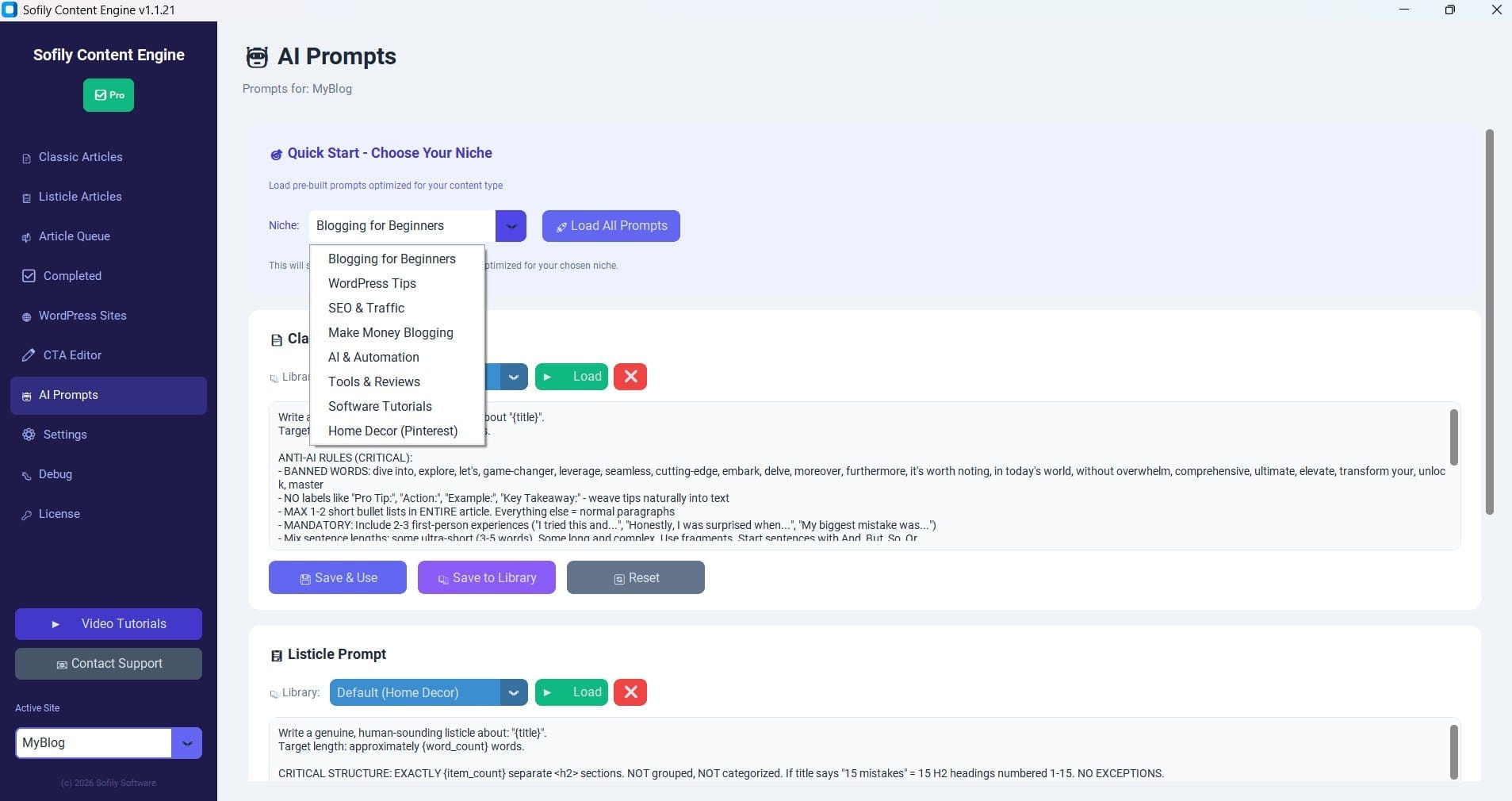
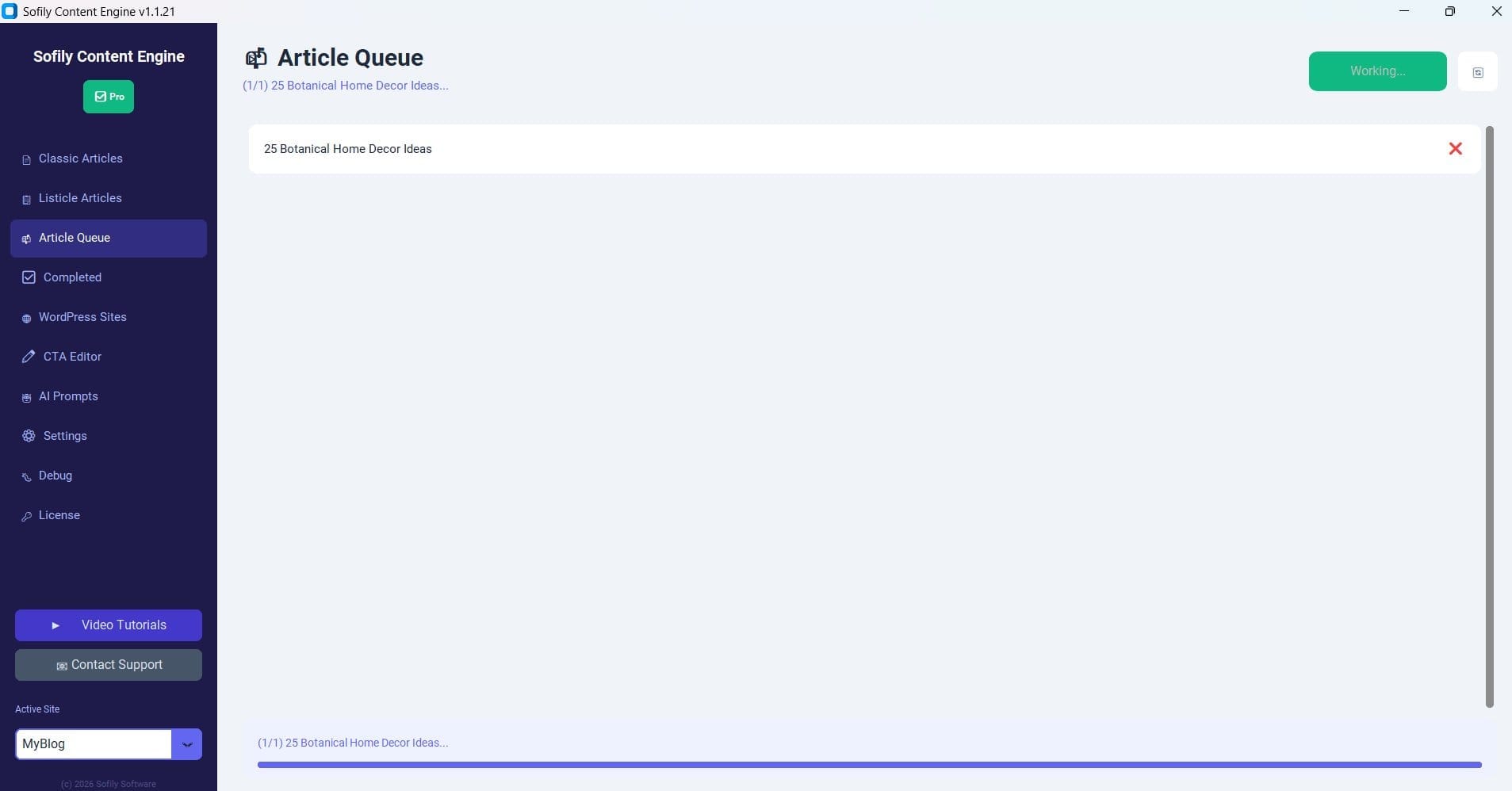
Creating high-volume SEO content doesn’t have to consume your week. Tools like Sofily Content Engine (SCE) make large-scale drafting faster by generating AI-assisted article drafts directly to WordPress. It’s not autopilot publishing: you still review and edit — exactly the balance that protects blog quality while cutting time in half. The internal Article Queue system even batches 10–20 article topics for overnight generation, turning “I’ll publish next month” into “I have three months of drafts ready.”
We tested this across 50+ SEO articles and found a pattern: human editing + AI draft = 40% faster workflow and more consistent tone. For Canadian bloggers aiming for extra income, those time savings directly translate to faster monetization through traffic growth.
Freelancing Locally and Internationally
Setting up optimized profiles on Upwork or LinkedIn requires tailoring your pitch to the client’s timezone and cultural context. Canadian freelancers often outperform their peers on detail and reliability. That said, success depends on clear niche positioning—generalists get lost. A writer specializing in “Canadian financial content” has far better odds than one offering “content writing.”
Scale should come through systemization, not through endless hours. The first step is onboarding efficiency. Create templates for proposals and client communication so each new project takes less setup time. Saving 10 minutes a day equals roughly 40 hours a year — that’s extra billable work or a fully free vacation week.
Digital Product Creation
Canadians often overlook the global scale digital products offer. A Toronto accountant selling Notion templates earns the same from a buyer in Sydney as from a local download. Your location limits incorporate tax and payment rules, not opportunity. Marketplaces like Etsy support digital listings, and connecting an SCE-powered blog through its Etsy integration can drive automatic traffic to those listings.
With your income streams taking shape, it’s worth examining how automation can support your workflow — and where it can quietly undermine it.
Where Does Automation Save Hours and Where Does It Fail?
Automation works well for repetitive tasks like draft generation, social scheduling, and email delivery, but fails when applied to creative decisions like keyword targeting or pricing strategy. The best results come from combining automated efficiency with human judgment.
Automation in home-based income is tempting, but blind reliance kills brand value. Certain tasks benefit massively from it — others need your creative fingerprint.
What Automation Can Handle Well:
- Draft generation (as with SCE’s batch creation).
- Scheduling social posts or Pinterest pins.
- Email delivery for digital downloads or opt-ins.
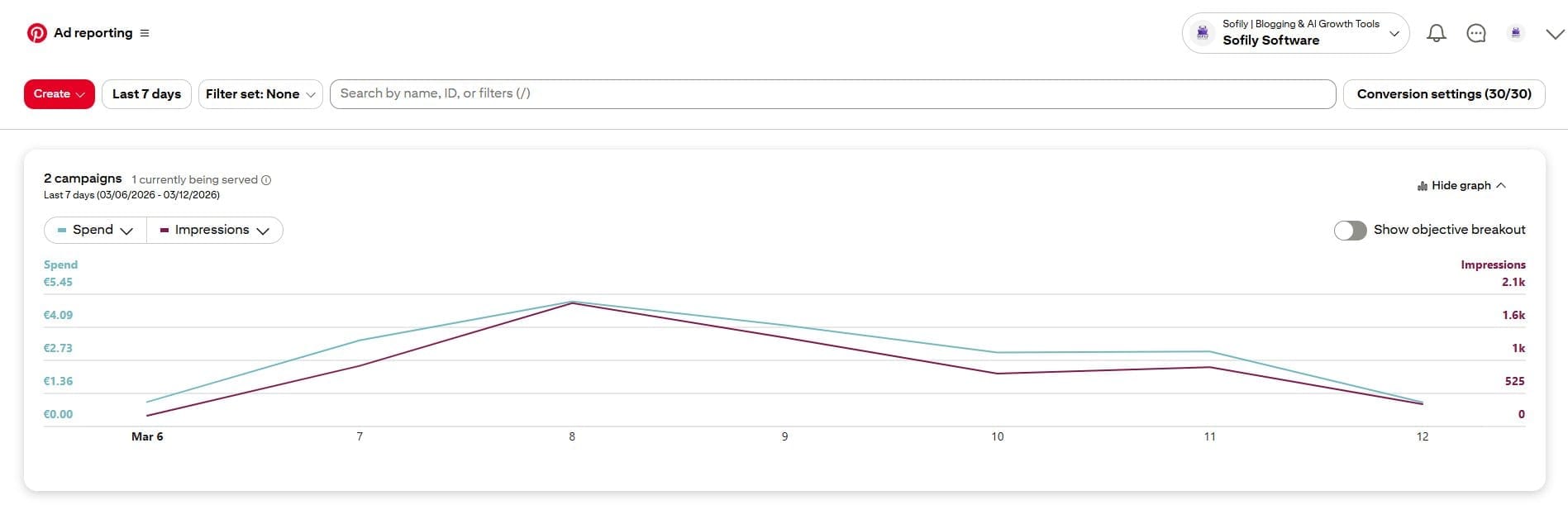
For context, when we tested Pinterest campaigns promoting a “Crafting Hobbies That Make Money” pin, €21.02 in ad spend yielded 264 outbound clicks — cost per click €0.08. That performance came from consistent posting and targeting, much of which was automated scheduling, not constant manual work.
Where Automation Gets Dangerous: Creative decision-making. Keyword targeting, writing style, or pricing structure can’t be outsourced fully. SCE never auto-publishes — all drafts are human-reviewed. That alone prevents hundreds of low-quality posts flooding your blog and damaging SEO trust. Automation is great for setup, but humans give content context and credibility.
Even with the right tools in place, certain habits and oversights can quietly erode the progress you’ve built.
What Are the Costly Mistakes Canadians Make While Working From Home?
The most damaging mistakes include ignoring GST/HST tax obligations, underpricing services, and scaling without a workflow system. Avoiding these pitfalls early is what separates sustainable home income from burnout.

Every market has its pitfalls. After working with dozens of freelance or blogging setups across Canada, these are the most common pain points that quietly tank growth:
1. Ignoring tax rules — Many forget GST/HST registration thresholds. Cross-border payments complicate things, but ignoring compliance leads to harder audits later.
2. Weak boundaries between work and home — Productivity collapses when you treat the laptop on your couch as “just whenever I have time.” Create a fixed schedule or a trigger ritual. A cup of coffee and a dedicated chair can condition response that work starts now.
3. Pricing based on emotion — Freelancers often charge less “because it feels fair.” That doesn’t build sustainability. Use hard math: know what your rate must be to cover taxes, downtime, and savings goals.
4. Scaling chaos — Without a workflow system, growing a blog or freelancing client base becomes unmanageable. Here tools like Sofily Content Engine help again. It centralizes prompt templates, SEO settings, and WordPress drafts across multiple blogs — no login juggling. One user even manages five niche blogs from one SCE window using the multi-site selector. That’s efficient scaling with control intact.
5. Chasing trends, not systems — TikTok affiliate programs come and go. A core writing or marketing skill remains relevant for years. Build around stable foundations you can control.
What Is the Best Next Step to Start Earning From Home?
The best next step is to build one owned asset — even a small one — that can earn independently over time. A single consistent action, like publishing your first blog post or listing a digital product, beats ten half-started ideas.

The best path forward isn’t joining one more gig app. It’s building an owned asset — even a small one — that earns whether or not you log in daily. A single consistent action adds up faster than scattered efforts.
If your plan involves launching or scaling a home blog, start by mapping your topic ideas and schedule your first 10 drafts. Using Sofily Content Engine for this step gets those articles into WordPress as editable drafts within minutes thanks to its Article Queue feature. Then focus your personal time on polishing and outreach — the work humans still outperform at.
That’s the practical, realistic version of How to Make Money From Home in Canada: Best Opportunities: build assets, automate wisely, keep human judgment at the core. One published post beats ten half-started ideas. Start there.
Frequently Asked Questions
Legitimate options include freelancing in fields like writing, design, or programming; starting an e-commerce store; teaching online; or creating digital products. Each method can scale depending on your skills and how effectively you market your services or products.
If you’re earning regular income or working with clients, registering a sole proprietorship or corporation is recommended. It helps with taxes, protects your business name, and allows you to claim home-office deductions.
Yes, but it depends on building a skill, audience, or asset. Many Canadians earn full-time income through digital freelancing, content creation, or running small online businesses — it just takes consistency and smart positioning.
Most survey and reward platforms pay very little for time invested, often only a few dollars per hour. They can provide pocket money but are not viable for those seeking a sustainable or scalable income source.
In-demand skills include graphic design, copywriting, digital marketing, programming, and project management. These can be offered remotely to Canadian or international clients, allowing flexibility and higher income potential.