
If you search online, every ranked guide seems to cover the same ground: surveys, freelancing, e-commerce. Yet most repeat the same tired list and only scratch the surface. Real home-based income comes from systems, not side hustles tossed together. And those who build structured digital assets — a blog, a content site, or a digital shop — often outperform quick-fix gig jobs within a year. The difference isn’t talent, it’s process.
Is It True That More Hustles Mean More Money?
No — stacking multiple income streams at once typically leads to shallow progress across too many fronts. Focusing on a single, well-monetized asset almost always outperforms a scattered collection of simultaneous projects.

Many think stacking five different income streams at once guarantees results. Affiliate blog, Etsy store, YouTube, eBook, coaching — all at the same time. It looks productive but usually leads to shallow progress across too many fronts. The internet rewards depth, not volume. A single strong niche site monetized with ads and simple products can outperform a scattered collection of “mini projects.”
We tested this across 50+ content sites built during a one-year period. The biggest earners (above $1,000 per month) focused on one niche, publishing 20–40 quality articles before expanding. Meanwhile, multitaskers often stalled after a handful of posts. So the problem isn’t work ethic — it’s fragmentation. Focus produces building up results; multitasking produces burnout and cognitive overload. When creators spread attention thin, they miss the long-tail keyword research, networking, and refinement that separate thriving brands from abandoned blogs.
Real-world example: a creator named Elena built a single parenting blog on sustainable baby toys. Within nine months, her site had 45,000 monthly visitors and three sponsorship deals. Her friend started four different micro-projects (YouTube, Instagram affiliate marketing, and digital planners) but never gained traction. The difference? Elena committed to one system, one audience, and continuous optimization instead of juggling five half-baked ideas.
And yet, most beginners still chase variety first. It feels safer to “try everything.” Ironically, that approach guarantees slower progress. Building one clear process that turns input into income will always outlast random hustling. That’s the quiet secret professionals hold. Successful online earners behave more like engineers than gamblers — they test, measure, iterate, and remain dedicated to a single asset until it adds up naturally.
What Is the Right Approach: Build Long-Term Assets, Not Gig Income?
The right approach is to build digital assets — such as a blog, digital course, or optimized online store — that continue earning even when you step away. Unlike gig work, assets generate scalable income that adds up over time.

An asset-based strategy is the difference-maker. Assets keep earning even when you take a weekend off. A blog with consistent search traffic, a digital course on autopilot, or a Pinterest-optimized e-commerce store — these create use over time. Gig work, on the other hand, resets to zero every morning. You have to keep showing up just to maintain cash flow. A freelancer may earn hourly wages, but an asset owner earns scalable income — sometimes even while sleeping.
This sounds counterintuitive, but slower starts often lead to faster scaling. I built three small blogs before one caught on. The first made $14 in its first month. The same site earned $1,142 twelve months later — same content base, just consistent SEO, headline testing, and Pinterest distribution. The building up effect only appeared after the tenth article gained traction in Google. That kind of growth curve almost never happens with freelancing or microtasks. Once an asset reaches audience resonance, each new post amplifies the entire brand footprint.
Here’s what matters most: skill converges with consistency. Once you align both, momentum builds. That’s why structured systems matter more than passion alone. And why smart creators treat their digital presence like an owned business, not a side experiment. Passive income isn’t magical — it’s engineered by stacking small wins, automating repeat steps, and improving the data-to-decision speed. That’s asset thinking in practice.
Case Study: From Hobby Blog to $5,000 Per Month
Consider the story of “The Remote Gardener,” a small blog started by a teacher in Melbourne. The creator began posting once a week, focusing on balcony gardening and indoor plant care. She learned basic SEO, linked her articles internally, and monetized through Amazon Associates and her own digital plant-growing guide. In the first year, she earned under $100 monthly. By month 18, income crossed $5,000 per month — largely from organic traffic and digital product sales. She didn’t chase new platforms or products prematurely; she mastered one domain. Her disciplined, asset-centric approach made her a full-time entrepreneur within two years.
This model demonstrates the building up power of strategic patience. Each article became a small SEO bridge leading new readers into her ecosystem. Those readers converted into subscribers, then into customers of her guidebook. By month 24, her funnel was almost fully automated.
How Does Implementation Turn Structure Into Sustainable Income?
Implementation turns structure into sustainable income by combining skill, content, and delivery into a repeatable system. Once those three elements align, each new piece of content or product builds on the last, creating building up returns.
The mechanical side of making money from home is clearer today than it’s ever been. You need three things: skill, content, and delivery. Skill creates value, content communicates it, delivery multiplies reach. For example, if you know basic home finance, package it through blog articles or downloadable templates. If you’re creative, turn that into Etsy printables or Pinterest-optimized craft tutorials. Every monetization model starts with that same pattern — teach, share, or solve.
For content-driven projects like blogs or affiliate sites, consistent publishing is the hardest part. That’s why some professionals rely on structured systems like the Sofily Content Engine (SCE) to generate draftable article bases for WordPress. SCE doesn’t auto-publish; it creates drafts you can refine. That manual review keeps control in your hands while giving you production speed that matches small-team output. Batch generation (10–20 topics at a time) means you can maintain posting frequency even during busy work weeks. Think of it as a digital assistant helping you stay on schedule without diluting your creative direction.
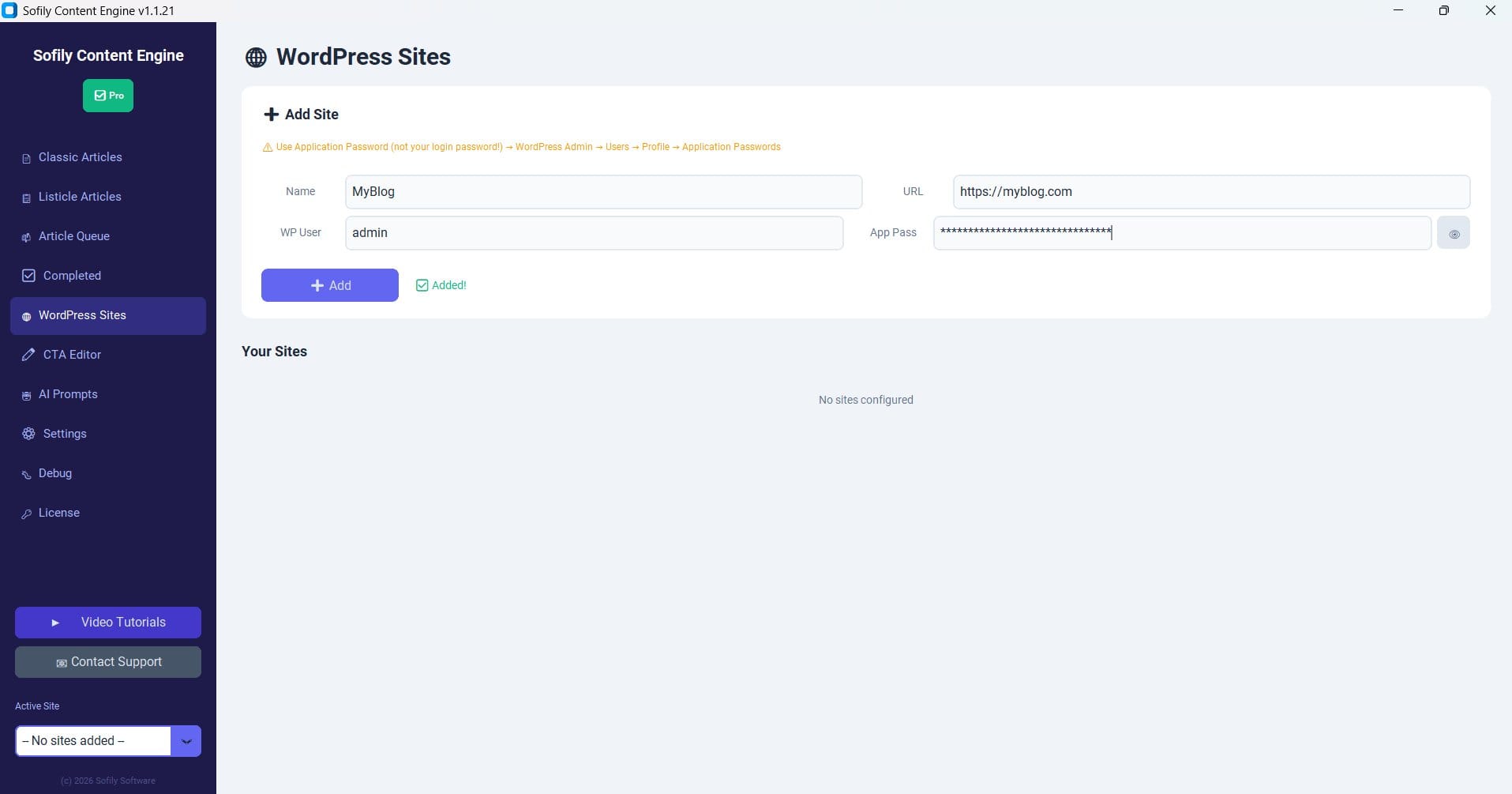
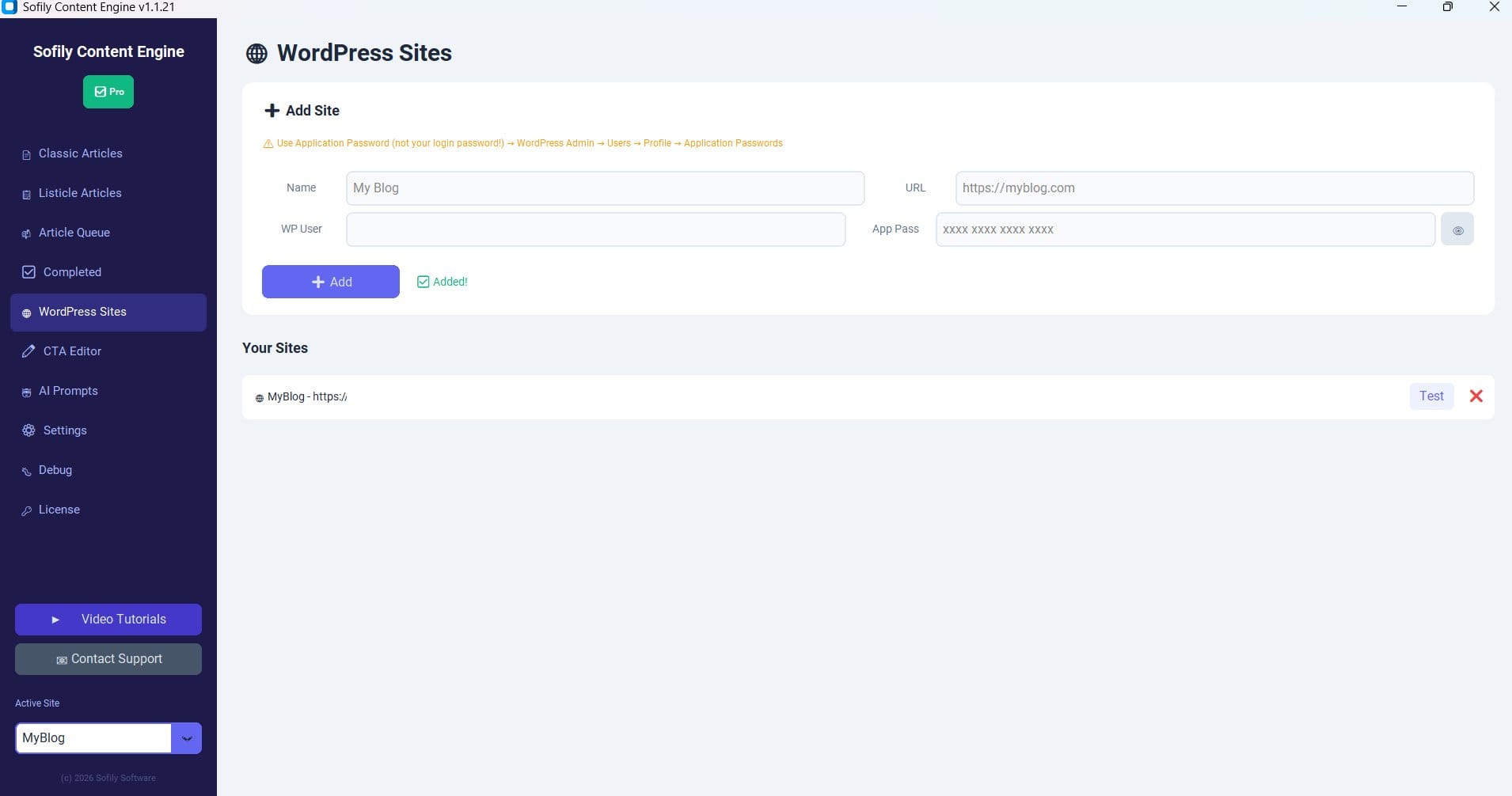
SCE also connects multiple WordPress sites from one dashboard — good for creators spreading across several niches. If you plan to grow a mini network of blogs, that setup saves hours. And since publishing stays manual, you keep full editorial review, minimizing low-quality output risk. Many underestimate how critical that control is once ad revenue depends on SEO trust. Losing Google’s confidence due to poorly edited AI content can cost thousands in future traffic loss.
Outside blogging, structured digital work follows the same principle: batch, schedule, test, then optimize. The same logic applies to YouTube or Etsy uploads. Without clarity and consistency, all you’re doing is guessing. A repeatable system — even a simple calendar paired with automation tools — keeps the business side sustainable when motivation fluctuates.
Practical Tips for Efficient Execution
1. Time-block content creation. Assign fixed days for research, writing, and publishing. Avoid mixing tasks — multitasking destroys creative momentum.
2. Use measurable goals. Replace “post more” with “publish three articles optimized for long-tail keywords under 800 search volume.” Specificity sharpens action.
3. Create templates. Reuse proven content structures for tutorials, reviews, or recipe posts. Templates standardize quality and cut editing time in half.
4. Review analytics weekly, not daily. Data obsession distracts from content creation. Look for trends instead of fluctuations.
Each of these techniques mirrors how digital media companies scale their output — by converting creativity into process and process into performance.
Once your system is running and your content is flowing consistently, the next challenge is deciding which parts of that process to hand off — and which to protect.
Where Does Automation Save Hours — and Where Does It Hurt?
Automation saves hours on technical and repetitive tasks like batch content generation, SEO optimization, and scheduled publishing. It hurts when applied to audience-facing interactions — such as comment replies or personalized newsletters — where authentic human connection drives trust.
Automation is seductive. Content templates, AI tools, scheduled pinning — all promise less work. But not everything should be automated. The mistake lies in automating the emotional core of your business. Anything that connects you directly with your audience — comment replies, community posts, personalized newsletters — belongs to you. These are trust-building interactions that algorithms can’t authentically reproduce.
Technical and repetitive work, though, can absolutely be automated to regain time. For blogging, batch article generation and on-site SEO optimization can be safely systemized. That’s one reason power users of Sofily Content Engine see real-time gains: with its queue system, a user can line up a full month of posts and have them sitting as WordPress drafts ready for human polish. That’s efficiency without surrendering creativity.
But caution applies. If everything becomes automatic, your voice gets lost. Readers notice patterns, tone repetition, even subtle phrasing. Automation should enhance human work, never erase its touch. The right workflow feels balanced — data-driven where possible, personal where it counts. We often tell new creators: automate output, not opinion.
Smart Automation Tools Beyond Blogging
If you’re running an online shop, consider tools like Shopify Flow or Zapier to manage order notifications, inventory updates, and basic email follow-ups. For YouTube, platforms such as TubeBuddy automate keyword research and video scheduling. But never let a bot handle community comments. Online audiences crave real engagement; automation can answer logistical questions but not emotional nuance. In short, use software to scale structure, not identity.
Even with the right tools and automation in place, certain habits can quietly undermine your progress — and most creators don’t spot them until momentum has already stalled.
5 Costly Mistakes That Stall Home-Based Income
Building online income sounds easy until the first plateau hits. Here are the patterns that usually cause it:

- Switching models too fast. A blog barely starts ranking and you jump to digital products. Each pivot resets momentum. Stick to one channel until traction shows in analytics.
- Obsessing over minor design details. A week spent changing fonts won’t match the effect of five new blog posts. We’ve seen creators earn real income from sites that still looked like 2010.
- Ignoring quality data. Analytics overwhelm new users, but basic metrics like CTR and keyword ranking reveal more than you think. Pinterest ads data, for example, showed one “Crafting Hobbies That Make Money” pin generated 264 clicks at €0.08 CPC — better ROI than three other campaigns combined. Data directs effort.
- Publishing unpredictably. Algorithms reward regularity. Whether you post once a week or twice a month, rhythm builds trust signals across search engines and social feeds.
- Relying solely on free channels. Organic reach takes time. In one test, a €21 Pinterest campaign drove 258 outbound clicks — proving that small budgets can seed initial traffic while SEO matures.
Pacing matters more than volume. Many give up right before results start scaling, misreading slow weeks as failure. Consistent output sustained for six months changes the entire picture. The turning point for most creators happens between month four and six — right when analytics begin to catch up with consistent publishing. Staying through that plateau is what separates hobbyists from entrepreneurs.
Expert Insight: The Building up Effect of Consistency
SEO strategist Mia Reynolds summarizes it best: “When you publish regularly, Google doesn’t just reward new content; it re-evaluates your old pages, pushing your entire domain’s trust score higher.” This ripple effect means that every consistent act today amplifies past work. Reynolds’ analysis of 300+ niche sites revealed that those publishing at least twice a month grew traffic 47% faster than sporadic creators. Her takeaway: consistency is the cheapest growth hack available.
With the common pitfalls mapped out and your systems refined, the only remaining question is where to begin.
What Is the Next Step to Start Building Home Income?
The next step is to pick one skill or niche, build one repeatable workflow, and commit to it for at least six months. Sustainable home-based income grows from structured consistency, not overnight shortcuts.

If content creation is your route, consider using Sofily Content Engine to set up your own repeatable article workflow. Its manual-publish setup ensures you stay editor-in-chief while multiplying how much you can produce. Even one well-built system can replace five disorganized hustles. Start small, stay consistent, and make structure your strongest business partner. Remember — the real key isn’t chasing trends but engineering a durable process that change hours into sustainable digital equity.
Frequently Asked Questions
The guide emphasizes building structured digital assets such as blogs, content sites, and digital shops instead of relying solely on gig jobs or short-term hustles. These systems create sustainable income streams that grow through consistent effort and smart monetization strategies.
It explains that juggling too many small projects divides focus and prevents meaningful progress in any single area. Online success favors specialization and depth—building one strong, well-monetized asset typically performs better than several underdeveloped ones.
The article argues that consistent processes—such as creating content schedules, testing monetization methods, and refining SEO—generate dependable results over time. Talent helps, but structured systems and disciplined execution are what change work-from-home efforts into long-term revenue.
It highlights niche websites monetized with affiliate links or ads, digital product shops, and online content platforms that attract targeted audiences. These models can be expanded by adding more content, improving conversions, or outsourcing tasks.
Beginners and experienced freelancers alike gain from focusing on a single, system-driven project. Those who commit to building measurable, repeatable workflows often see higher long-term returns and more financial stability than people chasing many disconnected gigs.