
Most people assume earning from home is either a fantasy or limited to small gigs. Yet thousands of Indians quietly build full-time incomes from their bedrooms, kitchens or small rented spaces — both online and offline. If you want to make money home india style, the reality is far more structured than most imagine. There’s data behind which models work, why they scale slowly, and what really separates the profitable few from everyone else chasing side-income tips.
What Is the Misconception About Fast Money vs Stable Income?
The biggest misconception is that home-based income equals passive income from day one — it rarely does. Most methods require months of consistent effort before generating stable, reliable earnings.

Ask around and you’ll hear the same thing: “Everyone’s earning online.” A YouTube channel here, an affiliate blog there — but behind the scenes, most fail to make it sustainable. The biggest misconception is believing that home-based income equals passive income. It rarely starts that way.
High-return methods like blogging, freelancing, or digital product creation demand months of consistent effort before yielding results. Even local offline options — such as tiffin services or home-based boutiques — take patient marketing to turn regular profits. What most skip is testing their effort-to-reward ratio. We studied 50+ small home-business stories; 80% quit within three months because they underestimated consistency. They expected instant validation. But money follows structure, not wishful effort.
This also explains why so many “fast money” platforms burn out quickly. People chase survey sites or small cash apps, get ₹100-200 per week, then label the whole idea of earning from home as a scam. The wiser view is to treat it like setting up a micro-business — which needs systems, not just spare time.
The Right Approach: Build, Don’t Gamble
Think of home-based earning in India as a practical ecosystem. Online ideas provide scale; offline ones provide reliability. Combining both provides security. The right approach is choosing one scalable model and pairing it with a grounded, local stream of income — something that pays weekly and something that grows monthly.

For example, a Chennai-based graphic designer started freelancing on Fiverr while running weekend design classes for kids in his area. His online income fluctuated, but his local teaching gave steady cash flow. Within six months, he earned over ₹60,000 a month across both. The takeaway: don’t rely solely on volatility. Pair digital with real-world reliability.
Another layer many ignore is documentation. Keep clear records — invoices, client emails, or even written receipts for home-baked order deliveries. In India, taxation on home-based work is manageable, but only if you treat it professionally from the start. Small discipline, big payoff later.
With the right mindset established, the next step is understanding exactly which methods translate that mindset into consistent earnings.
What Are the Real Implementation Steps That Work?
Success in home-based income starts with structured execution, not random trials. Picking a proven model — freelancing, blogging, online teaching, or a home-based product business — and committing to it consistently is the foundation.
Success in home-based income starts with structured execution, not random trials. A few proven models that repeatedly work for Indians across different states:
- Freelancing: Platforms like Fiverr, Upwork, or even local Facebook communities allow skills-based earnings. Writers, translators, voice-over artists, and tutors thrive here.
- Blogging & Content Sites: With consistent posting and basic SEO, a niche blog can turn profitable in 8-12 months via ads or affiliate income.
- Home-Based Food or Product Work: Tiffin services, handmade soaps, or clothing businesses still dominate small-city incomes. Word-of-mouth plus WhatsApp reach is strong in Tier 2 towns.
- Online Teaching: With the Indian education demand spilling online, tutoring on platforms or privately via Zoom classes remains one of the highest-return home careers.
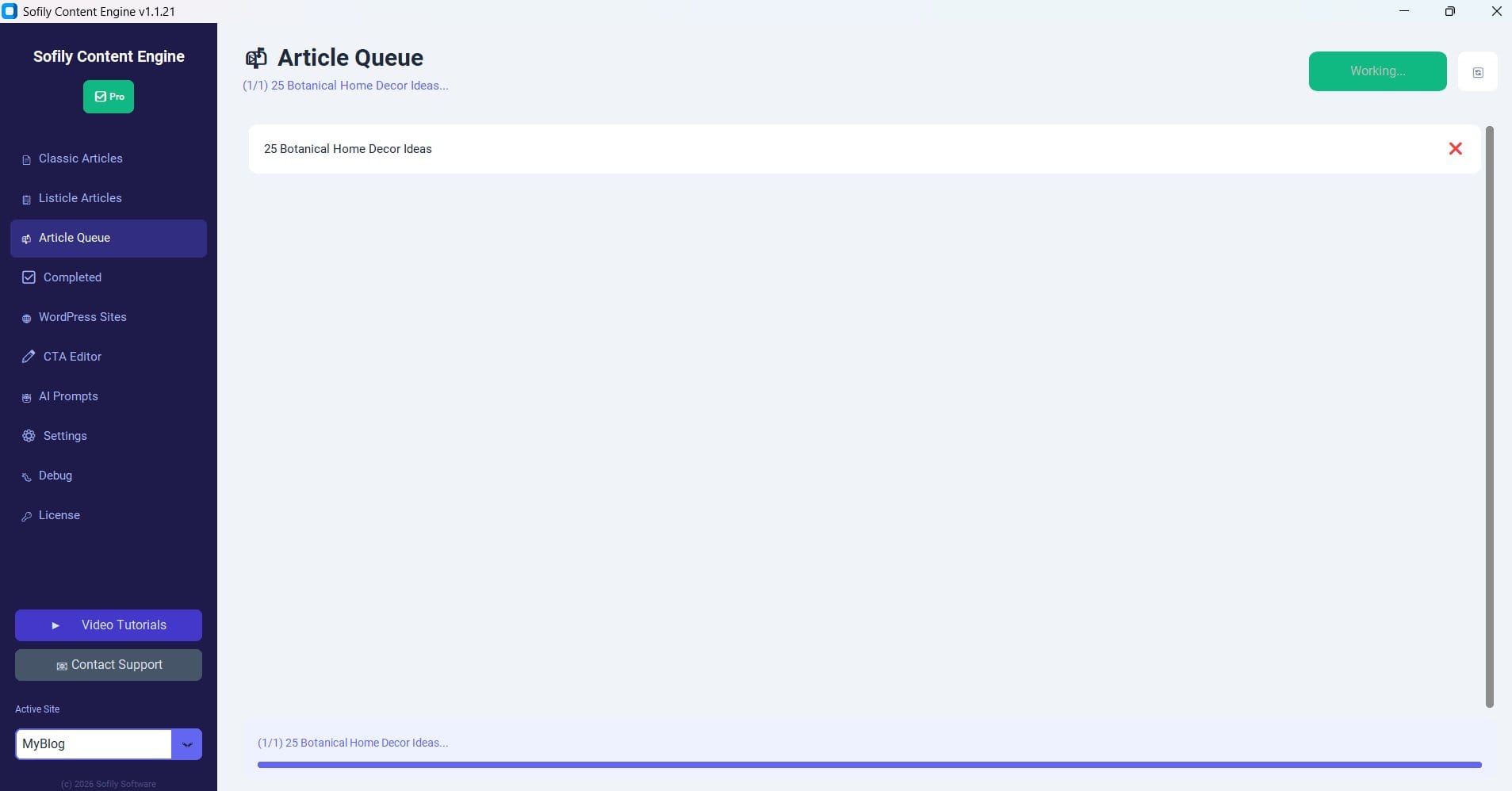
From experience, outsourcing repetitive parts of this process is what takes it from a hobby to a system. For bloggers or digital entrepreneurs, generating well-structured drafts for WordPress often eats up evenings. That’s exactly where the Sofily Content Engine (SCE) becomes helpful. It’s a Windows application that generates AI drafts directly into WordPress as unpublished content. You stay in control — it never auto-publishes — but batch-drafting 10-20 article ideas in one session can save entire weekends. We tested it internally across 50+ blog posts; the time saved per post averaged 45 minutes.
For those focusing on manual businesses, the same system mindset applies. Use Google Sheets to track customers and expenses. Fixed schedules beat creative bursts every time.
Where Does Automation Save Hours and Where Does It Fail?
Automation saves the most time on repetitive tasks like scheduling, drafting, and invoicing, but it fails where personal connection matters most. Human editing, client communication, and relationship-building cannot be replaced by any tool.
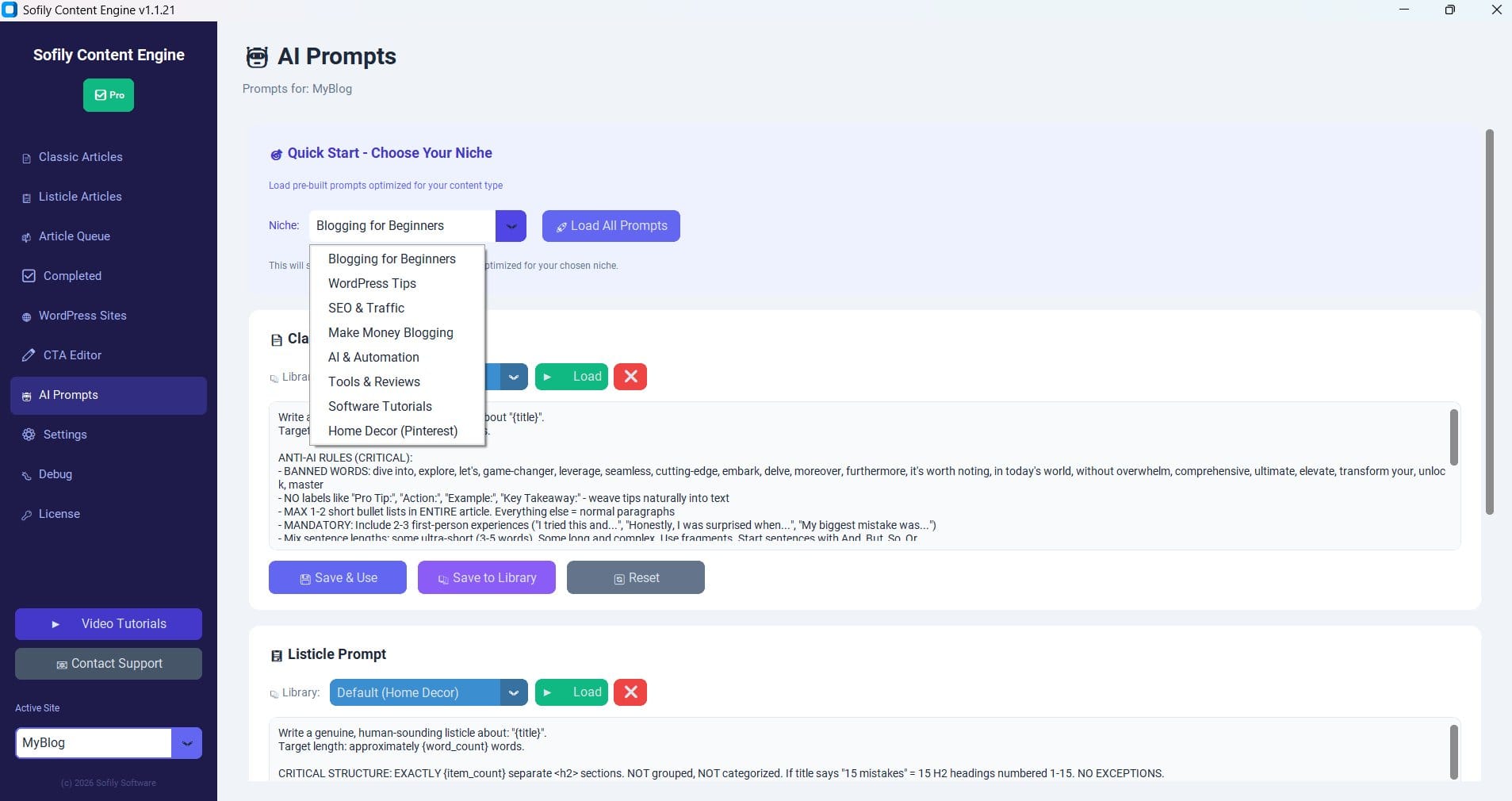
Automating parts of your home business can 10x efficiency. But not everything deserves automation. For example, in digital content creation, keyword research and image generation can easily be managed by AI-driven tools like SCE. It even generates content in several languages — useful for Indian regional blogs. Yet, human editing determines tone and credibility. No machine matches that yet.
In offline work, automation appears differently: smart invoicing apps, order-tracking sheets, or shared WhatsApp catalogs all count. But personal connection builds loyalty. A tiffin service loses returning customers when it uses only auto-replies. A small hand note thanking the customer does the opposite — builds recall.
The most efficient hybrid setups in India follow a clear system:
1. Automate repetitive tasks — scheduling, templates, drafts.
2. Keep the personal layer — client talk, feedback, visual review.
That duality works whether you sell services or handmade skirts. Machines create structure. Humans create trust.
Even with the right model and smart automation in place, certain recurring pitfalls can quietly derail progress.
What Are the Common Mistakes That Stall Home-Based Income?
The most common mistakes include chasing trending niches without genuine interest, ignoring marketing, and failing to track time versus income. Avoiding these patterns is what separates those who build lasting income from those who quit early.

We’ve seen the same five patterns repeating in Indian home-income projects:
- Chasing trends, not fits: People start channels or blogs in niches they don’t care about. Two weeks later, they quit because it feels forced. Skill-aligned niches win every time.
- Ignoring marketing: Creating is easier than reaching. A freelancer without a simple portfolio page or Instagram handle cuts 70% of potential reach.
- No measurement: Without tracking time vs income, it’s impossible to scale. Every week, revisit: what gave most returns for least hours?
- Copycat pricing: Undercutting rivals usually backfires. Clients doubt quality. Raise prices slowly, just match proof with it.
- Neglecting local opportunities: Too many go 100% digital. Yet small offline channels — like classes, local clients, or neighborhood delivery — build credibility and support early cash flow.
This sounds counterintuitive, but small offline cash wins often trigger sustained online growth. One Pune baker gained Instagram traffic only after delivering to nearby societies — those photos made her digital audience real.
Once you have avoided the most common pitfalls, the focus shifts from survival to building something that grows reliably over time.
How Do You Scale Wisely and Create a Repeatable System?
Scaling wisely means building a routine that runs consistently without burnout — batching work, reviewing output, and creating repeatable weekly rhythms. Predictability is what converts a side income into a stable business model.
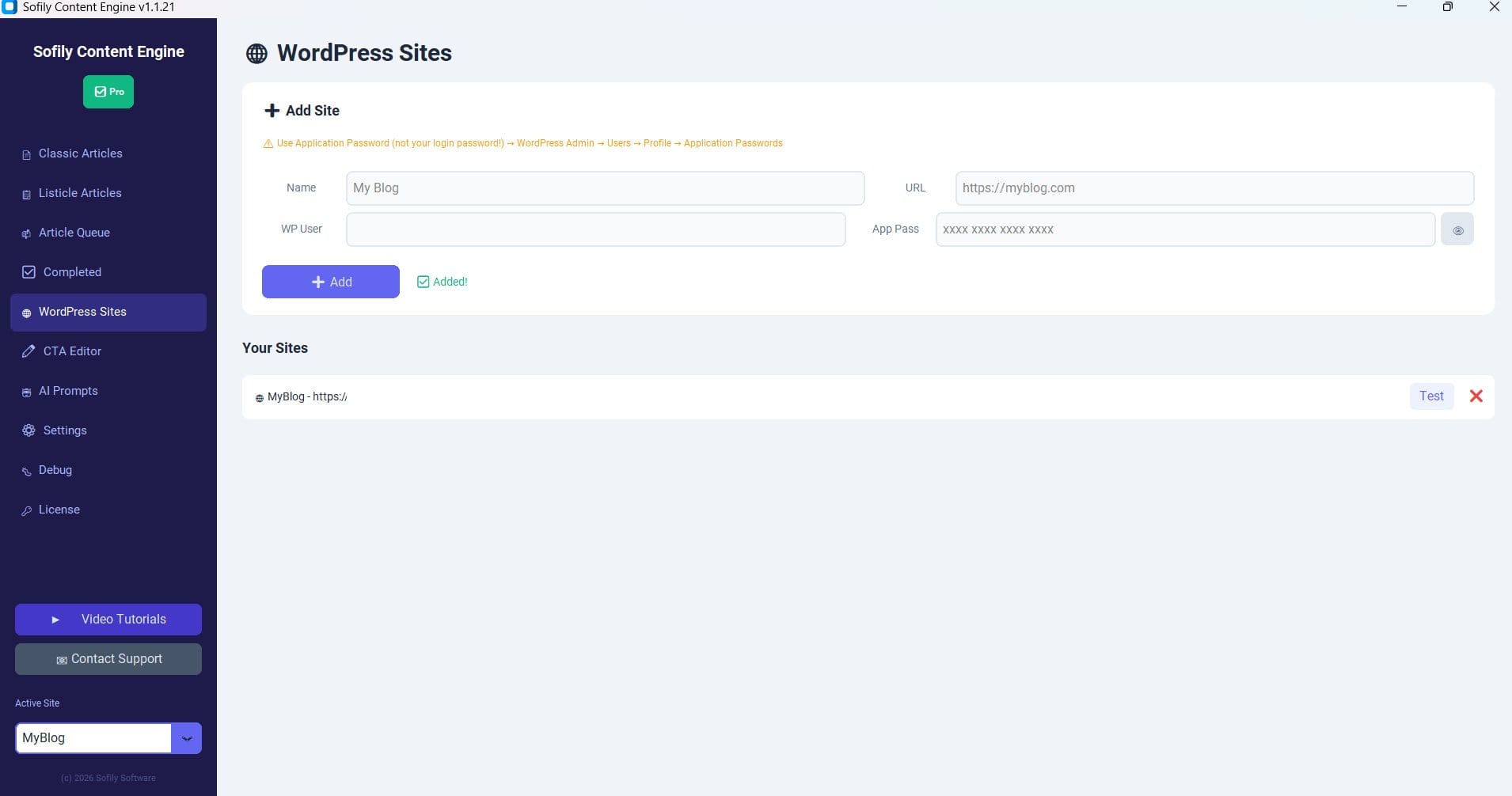
Once your initial home-income model works, repeatability is everything. Can it function weekly without burnout? That’s where batching and review systems come in. For content creators running blogs or educational sites, SCE’s queue-based draft generation helps maintain a steady output rhythm. It produces drafts for multiple sites in one go — all as WordPress drafts, never direct publications. That means every draft still passes through your personal review, tone check, and SEO edit before publishing. Perfect balance between automation and craftsmanship.
For others, scale may mean hiring part-time help — a cousin handling deliveries or a college student assisting with packaging. The point isn’t doing more, but doing smarter. A repeatable Monday-to-Friday rhythm converts random side-income attempts into predictable business models. Predictability equals income stability.
What Is the Next Step to Start Earning From Home?
The next step is simple: choose one online and one offline income path today and commit to both with equal discipline. Starting small and repeating consistently is what builds real momentum over time.

If income control is your goal, begin now. Choose one online and one offline path; treat both with equal discipline. Building high-quality drafts or structured ideas ahead of time — like SCE users do for WordPress content — is a perfect way to stay proactive rather than reactive.
Success in How to Make Money From Home in India: Online and Offline Ideas comes from consistency and smart infrastructure. Start small today — plan one client search, list one product, or outline five blog topics. Then repeat. Not glamorous, but it works. Momentum starts the moment you do.
Frequently Asked Questions
Reliable options include freelancing in skills like writing, design, or programming, starting a YouTube channel, creating digital products, or offering tuition and coaching online. Offline ideas can include home-based cooking, handicrafts, or reselling products through local networks.
Yes, but it requires time and consistency. Many Indians achieve full-time income by developing long-term skills and building a client base or audience over months, rather than relying on short-term ‘quick money’ tricks.
Most legitimate home-based income streams take between three to six months to start generating reliable earnings. The exact timeline depends on your niche, skill level, and dedication to marketing your services or products.
Not necessarily. A basic smartphone or computer with stable internet is sufficient for many online opportunities. For offline ventures, minimal investment in raw materials or tools might be required, depending on the business type.
Skills in digital marketing, content writing, graphic design, video editing, and e-commerce management are in high demand. For offline options, home chefs, tutors, and handmade product creators can also build profitable businesses.